_edited.png)
.png)
The Connection Between Sleep Quality and Athletic Performance
- Namrata Singh
- 1 day ago
- 3 min read
Sleep is often overlooked in training plans, yet it plays a crucial role in how athletes perform. Whether you are lifting weights, running long distances, or trying to control your appetite for better nutrition, the quality of your sleep can make a significant difference. This post explores how rest impacts strength, endurance, and appetite, offering practical insights for anyone looking to improve their athletic performance.

How Sleep Affects Strength
Muscle strength depends on more than just exercise and diet. Sleep is when the body repairs and builds muscle tissue. During deep sleep stages, the body releases growth hormone, which supports muscle recovery and growth. Without enough quality sleep, the body struggles to repair muscles, leading to slower progress and increased risk of injury.
Research shows that athletes who get less than 6 hours of sleep per night experience a noticeable drop in strength and power output. For example, a study involving collegiate football players found that those who extended their sleep to 10 hours per night improved their sprint times and bench press performance within weeks.
Tips to improve strength through better sleep:
Aim for 7 to 9 hours of uninterrupted sleep each night.
Create a consistent sleep schedule, going to bed and waking up at the same time daily.
Avoid caffeine and heavy meals close to bedtime.
Keep your sleeping environment cool, dark, and quiet.
Sleep and Endurance Performance
Endurance athletes rely heavily on their cardiovascular and respiratory systems, which also benefit from quality rest. Sleep helps regulate heart rate and blood pressure, and it supports the immune system, reducing the chances of illness that can interrupt training.
Lack of sleep can reduce aerobic capacity, making it harder to sustain long periods of exercise. For instance, cyclists who slept only 4 hours per night showed a 10% decrease in time to exhaustion compared to when they had a full night's rest.
Sleep also affects mental stamina. Endurance sports require focus and motivation, both of which decline with poor sleep. Fatigue can lead to slower reaction times and poor decision-making during competition.
Ways to boost endurance with sleep:
Prioritize sleep before and after long training sessions or races.
Use relaxation techniques like deep breathing or meditation to improve sleep quality.
Limit screen time before bed to reduce blue light exposure, which can disrupt sleep cycles.
The Role of Sleep in Appetite and Nutrition
Athletic performance is closely tied to nutrition, and sleep influences appetite hormones that control hunger and fullness. When sleep is insufficient, levels of ghrelin (which stimulates appetite) increase, while leptin (which signals fullness) decreases. This imbalance can lead to overeating and poor food choices.
For athletes, this means that poor sleep can sabotage efforts to maintain a healthy weight or build muscle. Cravings for high-calorie, sugary foods become stronger, and the body's ability to process nutrients efficiently declines.
Studies show that people who sleep less than 6 hours per night consume about 300 extra calories daily on average. Over time, this can lead to unwanted weight gain and reduced athletic performance.
Strategies to manage appetite through better sleep:
Stick to regular sleep hours to keep hunger hormones balanced.
Plan meals and snacks to avoid impulsive eating caused by fatigue.
Stay hydrated, as thirst can sometimes be mistaken for hunger.
Focus on nutrient-dense foods that support recovery and energy levels.
Practical Steps to Improve Sleep for Better Performance
Improving sleep quality requires attention to habits and environment. Here are some practical steps athletes can take:
Establish a bedtime routine: Engage in calming activities like reading or gentle stretching before bed.
Limit naps: Short naps can be helpful, but long or late-day naps may interfere with nighttime sleep.
Exercise regularly: Physical activity promotes better sleep but avoid intense workouts close to bedtime.
Manage stress: Use journaling, mindfulness, or talking with a coach or friend to reduce anxiety that can disrupt sleep.
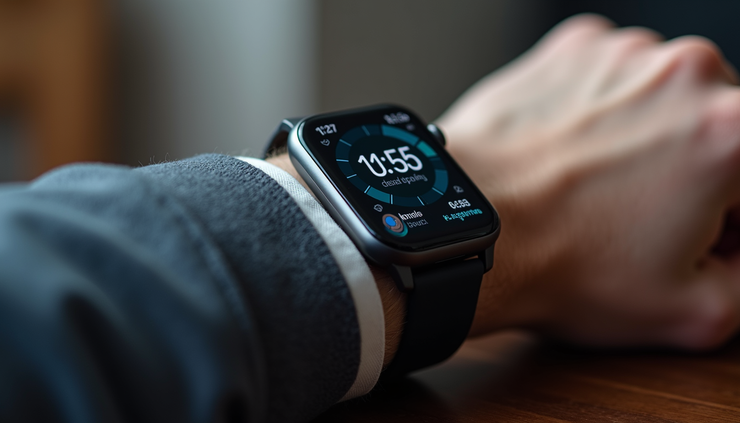
Tracking sleep patterns with apps or devices can provide valuable feedback. Adjusting habits based on this data helps athletes find what works best for their individual needs.

Final Thoughts on Sleep and Athletic Performance
Sleep is a powerful tool that athletes can use to improve strength, endurance, and appetite control. Quality rest supports muscle repair, boosts cardiovascular health, and balances hunger hormones, all of which contribute to better performance.



Comments